Home Sweet Little Things Black White
A Thoughtful Embroidery Design for Personalized Projects
As a designer who frequently evaluates embroidery files for real-world use, I find myself drawn to the charm and simplicity of Home Sweet Little Things Black White. This design isn’t just a pretty image—it’s a thoughtful composition that invites both emotional connection and practical application. With its black and white vector art, serif lettering, and subtle iconography, it feels like a piece that could easily transition from a digital asset to a finished product.
The First Impression: Mood and Visual Personality
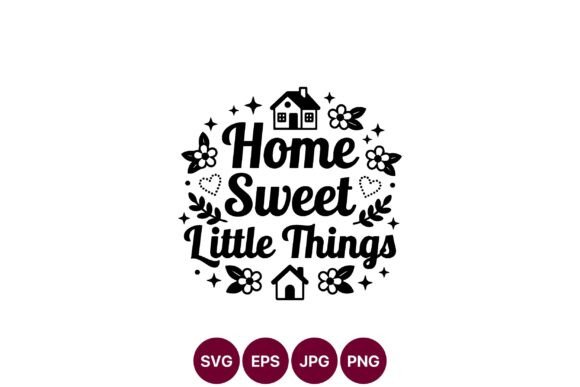
At first glance, Home Sweet Little Things Black White evokes a sense of warmth and nostalgia. The phrase “home sweet little things” is centered in a serif font, which adds a classic, handcrafted feel. Around it, house icons, flowers, hearts, and star shapes are arranged in a way that feels balanced yet playful. The absence of color allows the design to adapt to any background, making it versatile for a variety of projects.
This design is ideal for those who want to create a sense of comfort and familiarity in their embroidery work. It doesn’t scream for attention—it whispers, inviting the viewer to pause and reflect on what home means to them. That kind of subtlety is especially valuable when designing for personal gifts or small business merchandise.
Real-Life Use Case: A Custom Embroidered Tote Bag
Let’s imagine using Home Sweet Little Things Black White on a custom tote bag for a local boutique. The design would look elegant on a light-colored canvas, with the black and white contrast creating a striking visual. The house icons and hearts add a touch of whimsy, while the overall layout ensures the text remains legible even at a distance.
However, there are some considerations. The design includes intricate details such as tiny hearts and stars, which may not translate well to smaller hoop sizes. If you’re planning to use this on a cap or a patch, you’ll need to ensure the file is optimized for those specific applications. Testing on scrap fabric before final stitching is always a good idea, especially with such detailed elements.
Performance in Real Embroidery Situations
Home Sweet Little Things Black White performs well in most embroidery scenarios, but it’s not without its limitations. For example, it works best on flat surfaces like t-shirts, tote bags, and pillow covers. On curved surfaces like caps or hats, the design might lose some of its clarity due to the complexity of the layout.
The design also requires careful consideration of fabric texture and stabilizer use. Dark fabrics can make the white elements appear washed out, so it’s important to test the design on different materials. Similarly, thin or stretchy fabrics may require additional support to maintain stitch integrity.
If you're planning to use this design for commercial purposes, make sure to check licensing terms. As an Etsy seller or craft business owner, you want to ensure you have the right to sell finished products based on this design.
Design Notes for Embroidery Professionals
- Test the design on scrap fabric first to see how it looks and stitches.
- Check thread color contrast to ensure readability on different backgrounds.
- Review stitch density to avoid over-stitching or under-stitching.
- Confirm hoop size for your intended project—this design may require a larger hoop for full visibility.
- Inspect small details, especially the tiny hearts and stars, to ensure they’re clear and well-defined.
- Test it in black and white mockups to assess how it looks in different lighting conditions.
- Use proper stabilizer to prevent puckering or distortion, especially on delicate fabrics.
- Consider whether the design works for both personal and commercial projects—some designs are better suited for one than the other.
- Confirm licensing before selling finished items or digital products.
Where to Use and Where to Be Cautious
Home Sweet Little Things Black White is a great fit for handmade products like personalized gifts, custom apparel, and boutique branding. It also works well for holiday embroidery, baby items, and decorative accents. However, it may not be the best choice for small hoop sizes, textured fabrics, or products that require frequent washing.
If you’re creating an embroidered patch or a tote bag design, the layout should be adjusted to fit the space available. The dense stitch areas around the phrase and icons may cause issues if not properly scaled down. Additionally, the design’s reliance on contrast means it won’t look as effective on dark or heavily patterned fabrics.
Impact on Visual Appeal and Product Value
The visual appeal of Home Sweet Little Things Black White lies in its simplicity and emotional resonance. It has the potential to elevate a handmade product, adding a layer of personality and thoughtfulness. When used correctly, it can enhance the perceived value of your finished project, especially for gift-giving or brand-building purposes.
From a customer perspective, this design feels trustworthy and professional. It’s the kind of embroidery that makes people pause and appreciate the craftsmanship behind it. That kind of impact is invaluable, especially for small shop owners and Etsy sellers looking to stand out in a competitive market.
Final Thoughts on Home Sweet Little Things Black White
Home Sweet Little Things Black White is a versatile and emotionally resonant design that can be used in a wide range of embroidery projects. Its clean lines, thoughtful layout, and timeless aesthetic make it a strong candidate for both personal and commercial use. However, it requires careful consideration of fabric type, hoop size, and stabilizer use to ensure the best results.
As an embroidery designer, I recommend testing this design on scrap fabric first and reviewing all technical specifications before committing to a large-scale project. With the right approach, Home Sweet Little Things Black White can become a staple in your design toolkit, offering both beauty and practicality for your next creative endeavor.